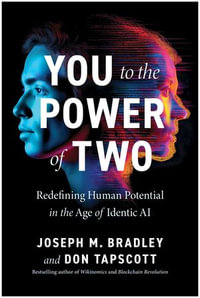
The artificial intelligence (AI) revolution represents a transformative period in the field of computer science and technology, with profound implications for various aspects of society.
Historical Background: The concept of AI has been around since the mid-20th century, but it gained momentum in recent years due to advances in machine learning, big data, and computing power.
Machine Learning and Deep Learning: AI relies heavily on machine learning techniques, particularly deep learning. These involve training algorithms to recognize patterns in vast datasets and make predictions or decisions based on that data.
Applications: AI has found applications in various fields, such as healthcare (diagnosis and drug discovery), finance (algorithmic trading), autonomous vehicles, customer service (chatbots), and natural language processing (voice assistants like Siri and Alexa).
Computer Vision: AI is used to process and understand images and videos, enabling facial recognition, object detection, and autonomous drones or robots.
Natural Language Processing (NLP): NLP is the branch of AI that deals with language and text. It's crucial for chatbots, sentiment analysis, language translation, and more.
AI Ethics and Bias: As AI becomes more integrated into daily life, concerns about ethics, bias, and privacy have emerged. Ensuring fairness and transparency in AI systems is a significant challenge.
The Future of Work: Automation driven by AI has the potential to disrupt the job market. While it may eliminate some jobs, it also creates new roles and opportunities in AI development and oversight.
Education and Research: AI has led to an increased focus on AI and machine learning research and education, with universities and online platforms offering courses to meet the growing demand for AI expertise.
Regulation and Policy: Governments and international organizations are developing regulations and policies to govern the use of AI, including data protection, intellectual property, and safety standards for autonomous systems.
AI in Healthcare: AI is transforming healthcare with applications in diagnosing diseases, drug discovery, and personalized treatment plans. It's also playing a critical role in managing healthcare data.
AI in Finance: In finance, AI is used for high-frequency trading, fraud detection, risk assessment, and credit scoring.
AI in Transportation: Autonomous vehicles, such as self-driving cars and trucks, are a major area of AI development, aiming to improve safety and efficiency.
AI in Entertainment: AI is used in the entertainment industry for creating music, art, and even scriptwriting.
Challenges: The AI revolution also faces challenges, including the need for ethical guidelines, preventing misuse, and addressing job displacement.
Global Impact: AI is a global phenomenon, with countries worldwide investing in AI research and development to maintain competitiveness in the technological landscape.
The AI revolution represents a pivotal moment in human history, with the potential to enhance our lives in countless ways but also requiring careful consideration of its ethical and societal implications. It's an evolving field, and its impact on society will continue to grow and shape our future.